I learned one of the most important lessons of my career the hard way. Early in my time in healthcare technology, our team landed a feature opportunity with a major industry publication. It was the kind of coverage that could have changed everything for the brand. Then the journalist came back with follow-up questions, and we scrambled. Our messaging wasn't consistent. Our website didn't match what we had pitched. Nobody on our leadership team was ready to speak on camera. The journalist moved on, and the opportunity was gone.
That experience shaped how I approach every PR partnership today.
Getting media attention isn't the hardest part. Being ready for it when it arrives is where most businesses fall short. Whether you run a medical aesthetics practice building authority in your market, a beauty brand preparing for a launch, or a wellness company expanding into new cities, media coverage can accelerate your growth like almost nothing else. But only if your foundation is solid.
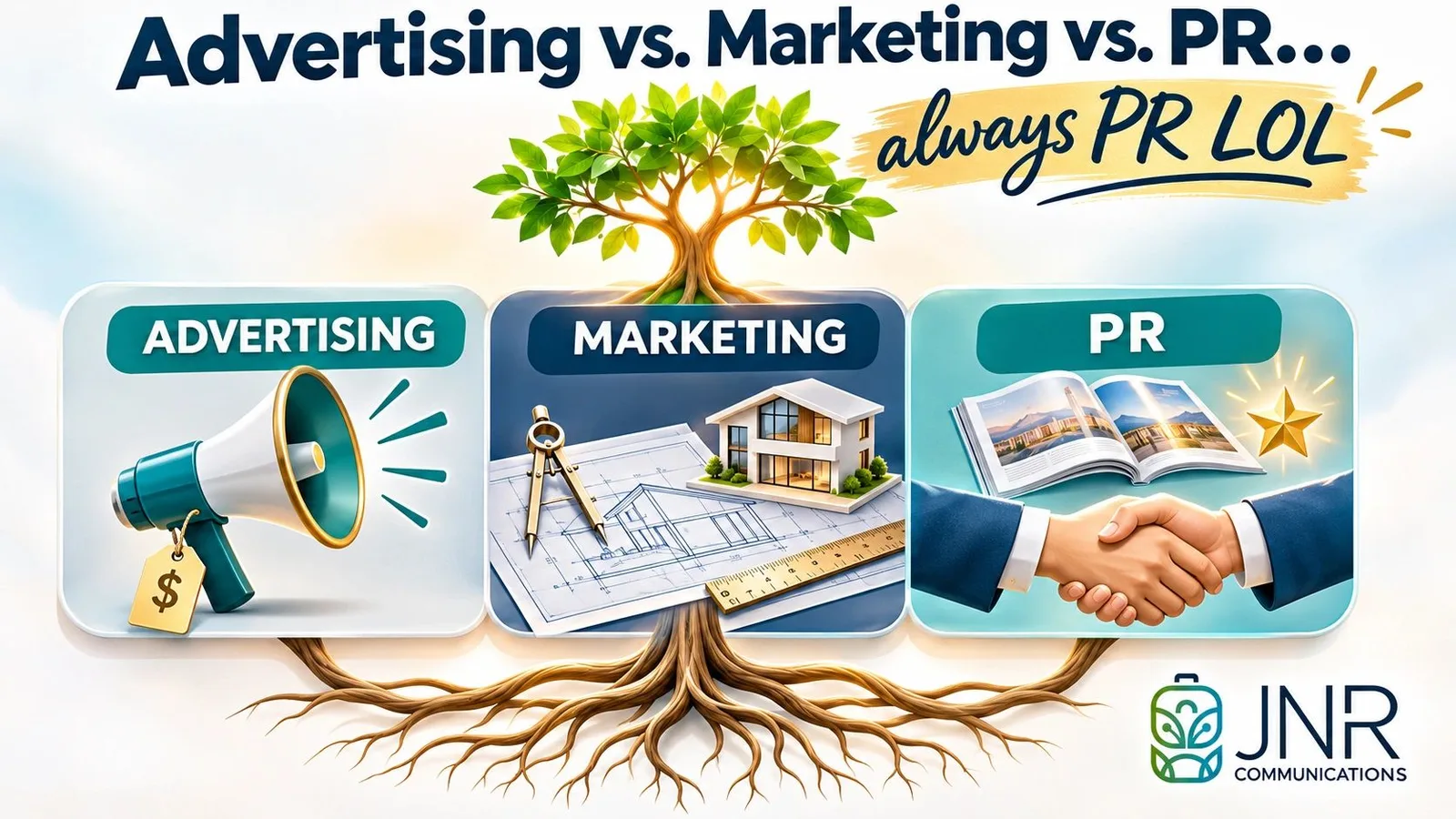
When I lived and worked in Japan, I learned a word that captures this perfectly: nemawashi. It describes the careful work of preparing a tree's roots before you move it. Skip that step, and the transplant fails. PR works the same way. The headline is the transplant. Your preparation is the roots.
So I've put together this PR readiness checklist to help you take an honest look at where you stand. Think of it less as a to-do list and more as a mirror. It will show you what's working, what needs attention, and where a strategic partner can make the biggest difference. Check every box you can honestly answer "yes" to. The empty boxes become your roadmap.
1. Your Brand Story: Can You Tell It in 60 Seconds?
Before any journalist, producer, or podcast host cares about your business, they need to understand what makes you different. And they need to understand it fast. Media professionals sort through hundreds of pitches every week. If your story isn't clear, concise, and compelling, it gets passed over, no matter how good your work is. Ask yourself:
[ ] Can you explain your unique value in two or three sentences?
[ ] Does your story connect emotionally with your audience, rather than just listing features?
[ ] Is your messaging consistent on your website, your social profiles, and in what your team says in person?
[ ] Do you have an origin story or founding narrative a journalist would find interesting?
In my experience across healthcare, beauty, and wellness, the businesses that struggle most with PR rarely lack a good story. They just haven't refined it into something a journalist can grab onto quickly. If your website says one thing, your LinkedIn profile says another, and your elevator pitch is something else entirely, you're creating confusion where you should be building confidence.
Try this today: ask three people on your team to describe your business in one sentence. If you get three different answers, you've found your first priority.
2. Your Media Materials: Could You Send Them Within the Hour?
One of the biggest myths in PR is that you can prepare your materials after a journalist shows interest. In reality, media opportunities move fast. If a reporter contacts you this afternoon, you should be able to respond with professional materials within hours, not days.
Your PR toolkit should include:
[ ] A current press kit with your company overview, leadership bios, high-resolution images, and a brand fact sheet
[ ] Three to five key messages that match your current business priorities
[ ] Professional headshots and product imagery in multiple formats and resolutions
[ ] A media page on your website with background information, press releases, and contact details
[ ] Prepared talking points for the topics you're most likely to be asked about
A reporter on deadline isn't going to wait for you to schedule a photo shoot or write a bio. They'll move to the next source who already has those materials ready.
Being prepared isn't about being rigid. It's about being responsive, and responsiveness is one of the fastest ways to earn a journalist's trust.
3. Your Online Presence: Does It Back Up Your Story?
Here's something I've seen more times than I can count. A business lands a great media placement, and the article links back to the company website. Interested readers click through and find an outdated design, broken links, or information that doesn't match what they just read. That disconnect quietly erodes the credibility the coverage was supposed to build.
Before you pursue any media coverage, take a hard look at your digital presence:
[ ] Is your website current, mobile-friendly, and easy to navigate?
[ ] Does your social media reflect your current branding, messaging, and activity?
[ ] Are your Google Business Profile and directory listings accurate and complete?
[ ] Do your online reviews tell a positive story about the experience you deliver?
[ ] Is your content, including blog posts, case studies, and testimonials, current and relevant?
Your online presence is your digital handshake. When a journalist or potential client looks you up, and they will, everything they find should reinforce the story you're telling. This is especially true in medical aesthetics and beauty, where visual presentation and trust are everything.
4. Your Spokesperson: Who Speaks for Your Brand?
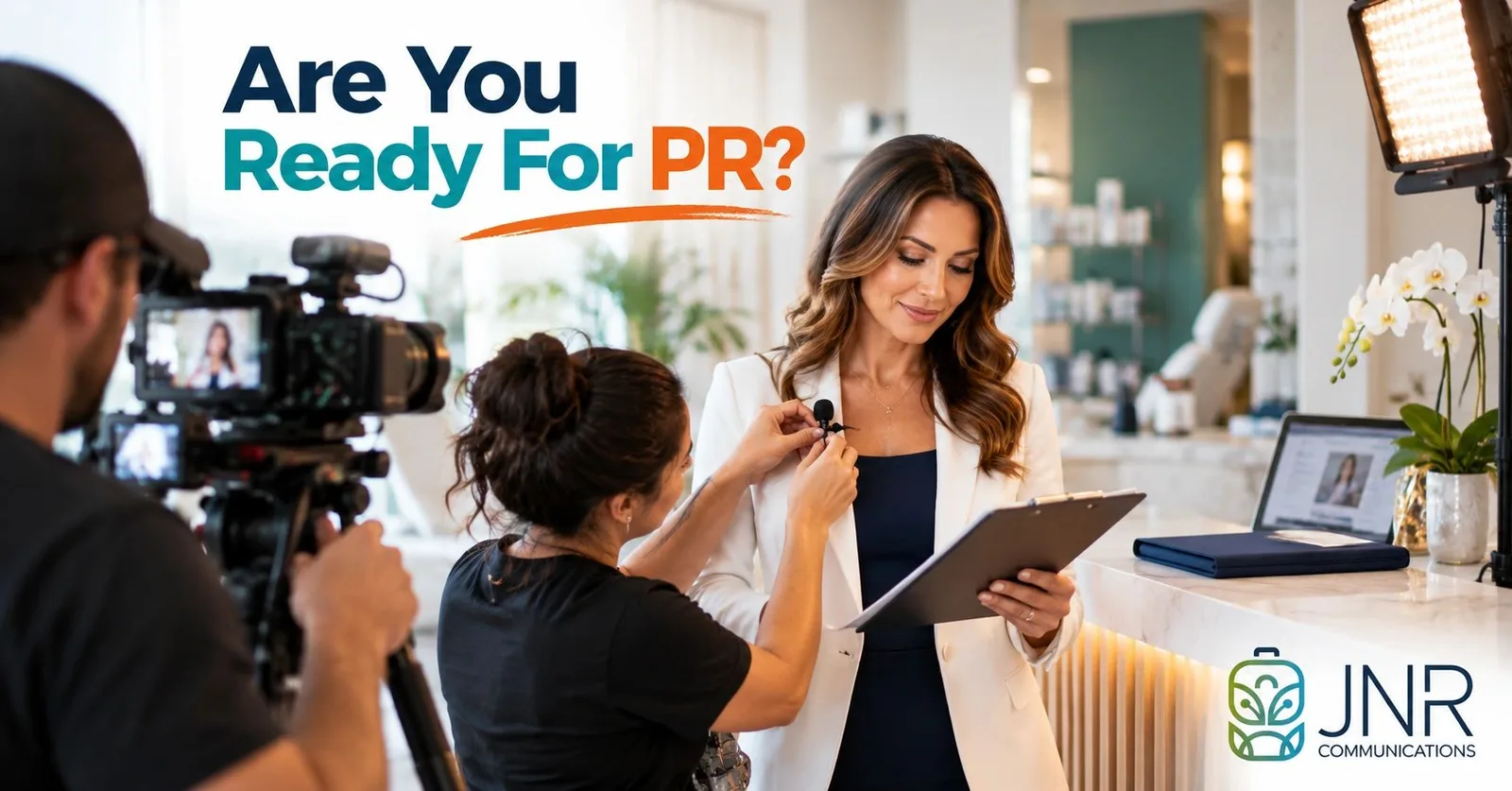
Media attention usually means someone from your organization will need to speak on the record. Whether it's a phone interview, a podcast, or a segment on local morning television, your spokesperson needs to be more than knowledgeable. They need to be prepared. Ask yourself:
[ ] Do you have one or two designated spokespeople who can confidently represent your brand?
[ ] Have they had media training for different interview formats?
[ ] Can they stay on message while sounding natural rather than scripted?
[ ] Do they know how to bridge from a difficult question back to a key message?
[ ] Are they comfortable on camera and with being quoted?
I've watched brilliant business leaders freeze in front of a camera simply because nobody prepared them for the experience. My years designing training programs in healthcare technology taught me that confidence comes from practice, not talent. Media training isn't about learning to be slick or evasive. It's about communicating your value with clarity, even when a question catches you off guard.
5. Your Crisis Plan: Are You Ready for Unwanted Attention?
This isn't the most exciting part of the checklist, but I'd be doing you a disservice if I left it out. When you increase your visibility, you also increase your exposure to scrutiny. Negative reviews, patient complaints, product issues, or social media flare-ups can all generate attention you never wanted. A basic crisis readiness check should cover:
[ ] Do you have a crisis communication plan, even a simple one, that defines who responds, what they say, and how quickly?
[ ] Have you identified your most likely crisis scenarios and drafted initial responses?
[ ] Do you monitor brand mentions and online reviews consistently?
[ ] Is there a clear chain of approval for public statements?
[ ] Do you have relationships with key media contacts before you need them?
That last point is one I feel strongly about. The worst time to start building media relationships is in the middle of a crisis. In the networking world, we call this building relationship infrastructure, and it applies directly here. When journalists already know and trust you, they're far more likely to call you for your side of the story and give you a fair hearing when things go sideways.
6. Your Goals and Metrics: What Does Success Look Like?
This might be the most overlooked item on the entire list. Too many businesses pursue coverage without defining what they want it to achieve. Awareness? Credibility? Website traffic? Patient inquiries? Product sales? Without clear goals, you can't measure results, and if you can't measure results, you can't improve. Check your foundation:
[ ] Have you set specific, measurable PR goals tied to your business objectives?
[ ] Can you track media mentions, website traffic from coverage, and new leads?
[ ] Have you set realistic timelines? Meaningful traction typically takes three to six months.
[ ] Are you prepared to invest in PR consistently rather than as a one-time campaign?
I tell prospective clients something that sometimes surprises them. You don't flip PR on and see instant results. The best outcomes come from steady, strategic effort over time, built on genuine relationships and clear objectives.
PR isn't a light switch. It's a relationship.
7. Your Team and Resources: Can You Sustain the Momentum?
Here's where I see many well-intentioned businesses stumble. They invest in a burst of PR activity, earn some great coverage, and then can't keep the momentum going because they never planned for what comes next. Make sure you can answer yes to these:
[ ] Do you have dedicated resources, internal or external, to manage ongoing media relationships?
[ ] Can your team handle a surge of inquiries if coverage generates real interest?
[ ] Do you have a content calendar to keep your thought leadership visible between major media moments?
[ ] Is your sales or intake process ready to convert the attention PR creates?
Media coverage opens a window of opportunity. If someone reads about your practice in a national publication and visits your website, what happens next? Is there a clear path to book a consultation or learn more? If that path is confusing or broken, you're leaving the value of your coverage on the table.
How to Score Your PR Readiness
Count the boxes you checked across all seven areas. There are 32 in total.
- 26 to 32: You're media ready. Focus on building relationships and pursuing the right opportunities.
- 16 to 25: You have a solid base with a few gaps. Close them before your next big pitch.
- 15 or fewer: Pause before pitching. Strengthen your foundation first so coverage can actually work for you.
Most businesses, even very successful ones, land somewhere in the middle. The point is knowing where you stand.
How JNR Communications Helps You Get (and Stay) Ready
If this checklist revealed a few gaps, you're in good company. That's why we built JNR Communications the way we did.
My partner, Jennifer Rice, brings nearly 30 years of media relationships across beauty, wellness, and medical aesthetics. She doesn't just know how to pitch stories. She knows the editors, producers, and journalists personally. That relationship infrastructure means we're not sending cold emails into the void. We're reaching out to people who already trust us, and that trust transfers to the brands we represent.
I bring a strategic networking perspective shaped by careers in healthcare technology, international business, and professional networking. Across all of them, I've learned that the most successful PR campaigns aren't built on tactics alone. They're built on relationships, preparation, and consistency.
Here's how we help clients move from "not quite ready" to "bring it on":
- Brand Story Development: Refining your messaging until it's clear, compelling, and consistent everywhere.
- Media Kit Creation: Building and maintaining press materials so you're always ready.
- Media Training: Preparing your spokespeople to handle interviews with confidence and authenticity.
- Crisis Communication Planning: Creating response frameworks and media relationships before you need them.
- Strategic Media Outreach: Drawing on Jennifer's nearly three decades of relationships to place your story with the right outlets.
- Ongoing PR Strategy: Sustainable plans that build momentum over time instead of burning out after one burst.
As a boutique agency, we work with you directly. You won't be handed off to a junior account coordinator learning on your dime. When you call us, you get Jennifer and me. That's by design.
The Bottom Line: Preparation Is the Foundation of Great PR
In my networking experience, I've often shared the principle of "Givers Gain." By creating value for others first, you build relationships that come back to benefit you. PR readiness works the same way. Every hour you invest in your story, your materials, your online presence, and your crisis plan creates value that multiplies each time a media opportunity comes your way.
The businesses that get the most from media coverage aren't necessarily the ones with the biggest budgets or the flashiest products. They're the ones who were ready when their moment arrived. So take an honest look at this checklist. Celebrate what you're doing well. Identify where you need to improve. And if you'd like a partner to help close those gaps, we'd love to have that conversation.